


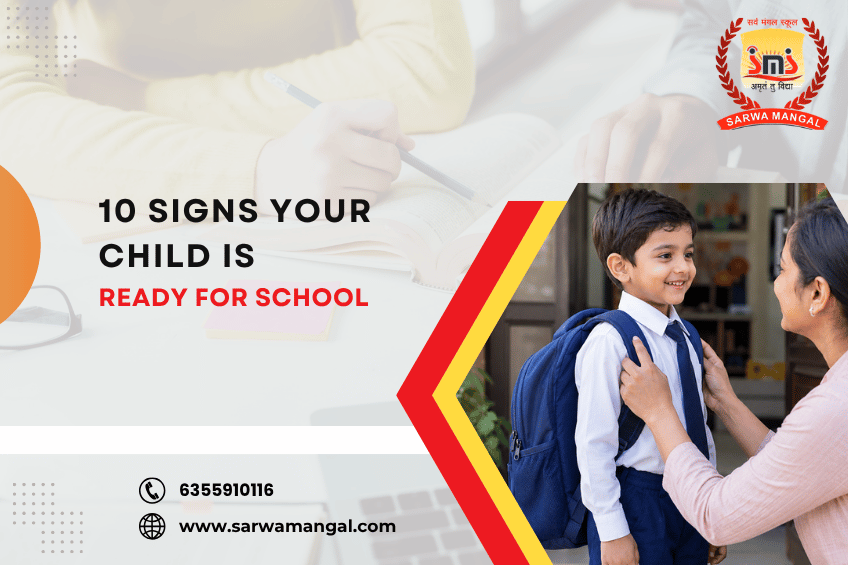
Starting school is one of the most emotional milestones in a child’s life as well as for parents. It marks the beginning of structured learning, social interaction, independence, and lifelong habits. In India, especially in growing cities like Vadodara, parents often wonder whether their child is truly ready for preschool or kindergarten.
School readiness is not just about age. It is about emotional maturity, communication skills, independence, and curiosity. Every child develops at their own pace, and understanding the right time to start school can make the transition smooth and stress-free.
This guide will help parents identify the key signs that show a child is ready for school and how to support them during this important stage.
1. Your Child Can Communicate Basic Needs
One of the first signs of school readiness is communication. A child does not need to speak perfectly, but they should be able to express basic needs such as hunger, tiredness, or discomfort.
When children can communicate their feelings, they adjust more easily in a classroom environment. Teachers can also understand and support them better, which helps reduce frustration and confusion.
2. They Show Curiosity About Learning
Curiosity is a strong indicator that a child is ready for school. Children who ask questions, explore objects, and show interest in stories or pictures are naturally prepared for structured learning.
This curiosity is the foundation of lifelong education. Schools can nurture this interest through interactive learning, storytelling, and hands-on activities.
3. Ability to Follow Simple Instructions
Children ready for school should be able to follow simple instructions such as “sit down,” “come here,” or “put toys away.” This shows that they can understand structure and respond to guidance.
In a classroom setting, following instructions is essential for group activities, safety, and learning routines.
4. Basic Independence in Daily Activities
Independence is another key sign. A child who can eat by themselves, wash hands, or attempt dressing with minimal help is developing essential life skills.
These small steps toward independence help children feel confident in a school environment where they will need to manage simple tasks on their own.
5. Interest in Playing with Other Children
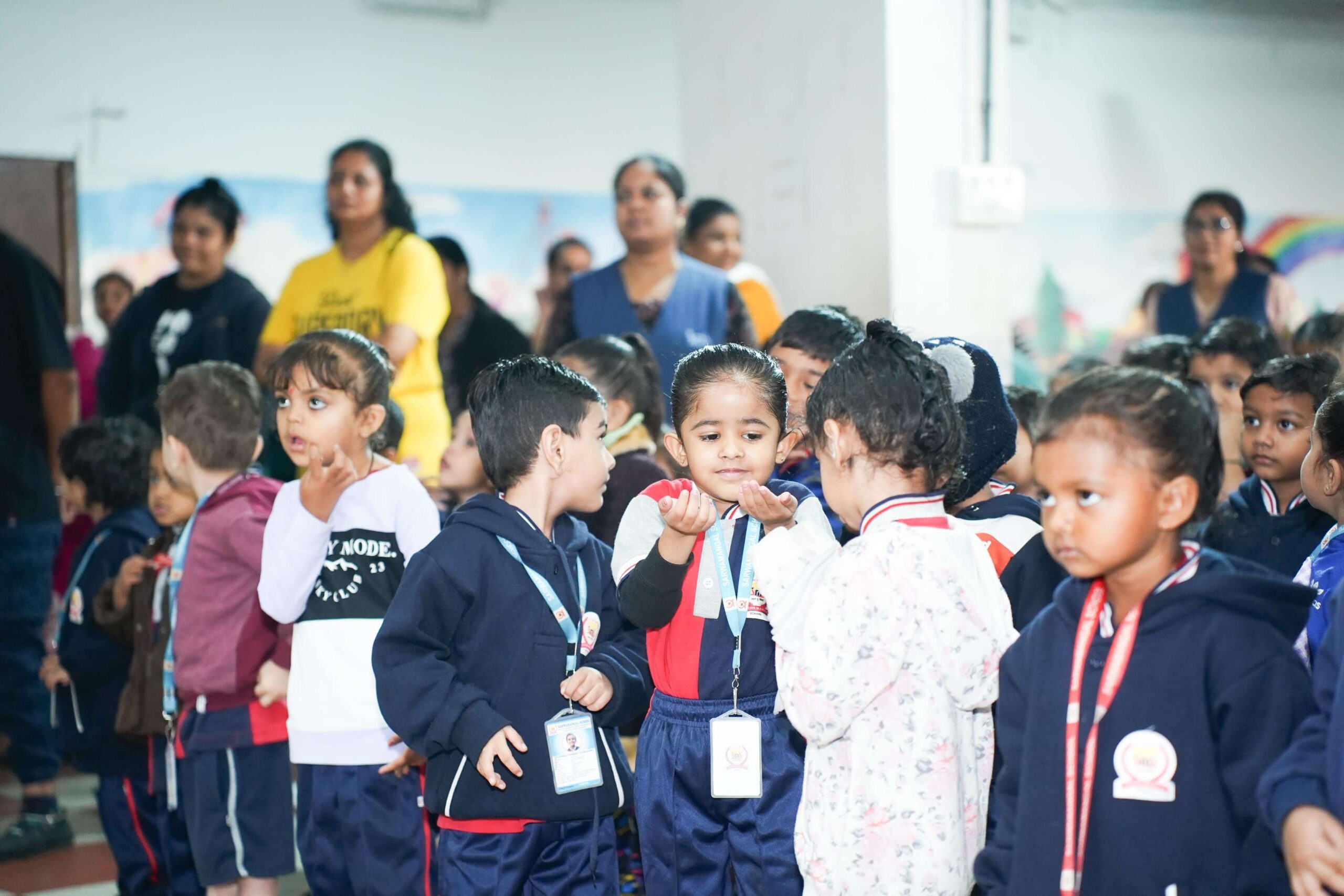
Social readiness is very important for school life. If a child enjoys playing with other children, sharing toys, or participating in group games, it shows they are ready for social interaction in school.
These early social experiences help children learn teamwork, patience, and communication.
6. Ability to Stay Away from Parents for Short Periods
Separation is one of the biggest challenges for both parents and children. However, if a child can stay with relatives, friends, or caregivers without excessive anxiety, it indicates emotional readiness for school.
This helps reduce separation anxiety during the first few weeks of school.
7. Development of Basic Routine Habits
Children who follow simple routines such as eating, sleeping, and playing at fixed times adjust more easily to school schedules.
Schools operate on structured timetables, so children who are familiar with routine-based living find it easier to adapt.
8. Showing Emotional Expression
A child who can express emotions such as happiness, sadness, anger, or excitement is developing emotional awareness.
Even if they cannot fully control emotions, being able to express them helps teachers and parents guide them better in a structured environment.
9. Interest in Books, Stories, or Drawing
Early interest in books, pictures, or drawing indicates that a child is ready for learning activities. It shows that they are beginning to connect symbols, images, and imagination with understanding.
Schools build on this interest through reading activities, creative drawing, and storytelling sessions.
10. Ability to Sit and Focus for Short Periods
Attention span is still developing at preschool age, but a child should be able to sit and focus on an activity for a few minutes.
This helps them participate in classroom learning activities, listen to teachers, and engage in group tasks.
Importance of School Readiness
School readiness is not about pressure or competition. It is about ensuring that a child feels comfortable, confident, and happy in a learning environment. Parents play a very important role in preparing children for this transition.
Simple habits like reading together, encouraging play, maintaining routines, and allowing independence can make a big difference.
In India, parents are increasingly looking for schools that understand child psychology and provide a balanced learning environment that supports both academics and emotional development.
Choosing the Right School Matters
Once a child shows signs of readiness, the next important step is selecting the right school. The school environment plays a major role in shaping early learning experiences.
Parents should look for schools that focus on:
- Individual attention
- Safe and supportive environment
- Activity-based learning
- Emotional development
- Strong communication between teachers and parents
These factors help children adapt smoothly to school life and develop confidence from an early age.
For many parents searching for the best GSEB English medium school in Vadodara, the focus is not just academics but also overall personality development, discipline, and a nurturing environment where children can grow at their own pace.
How Sarwamangal School Supports Early Learning
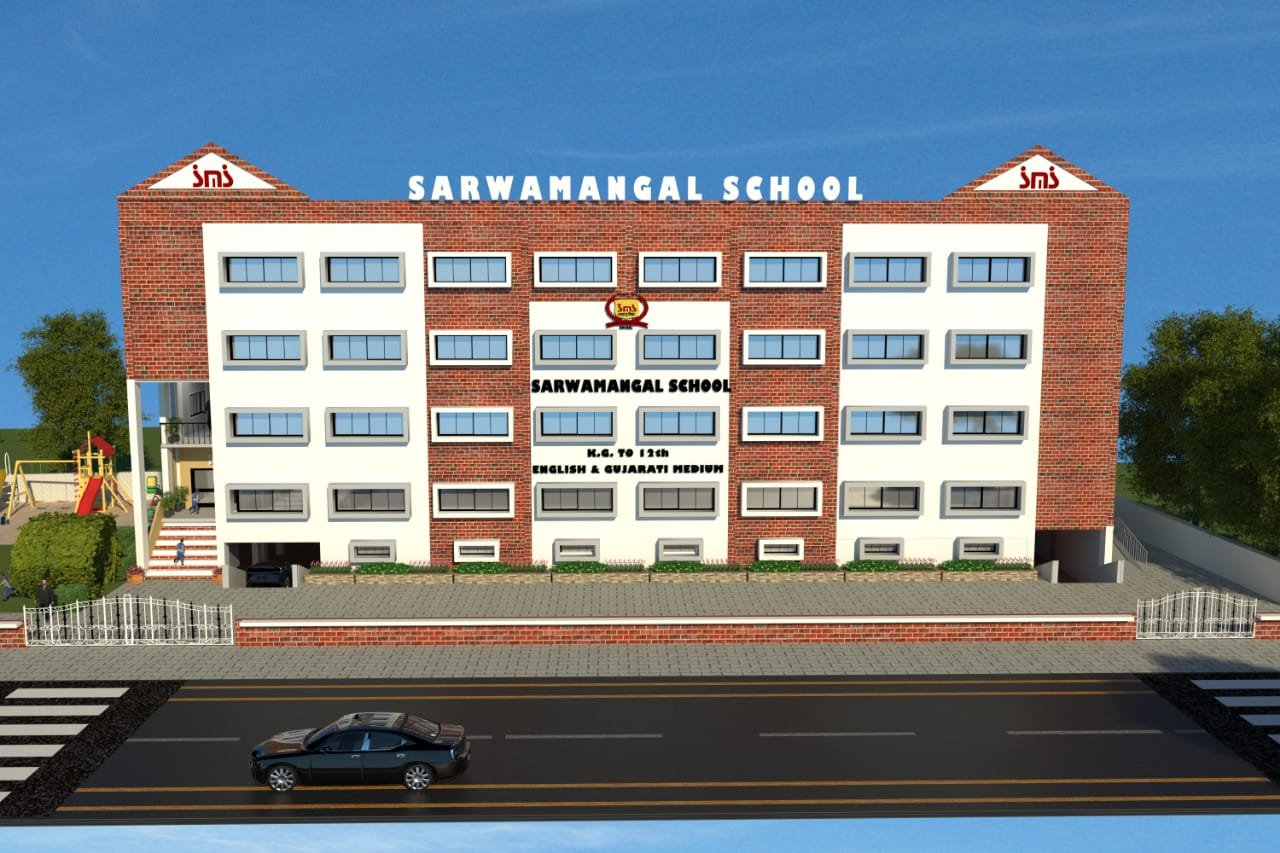
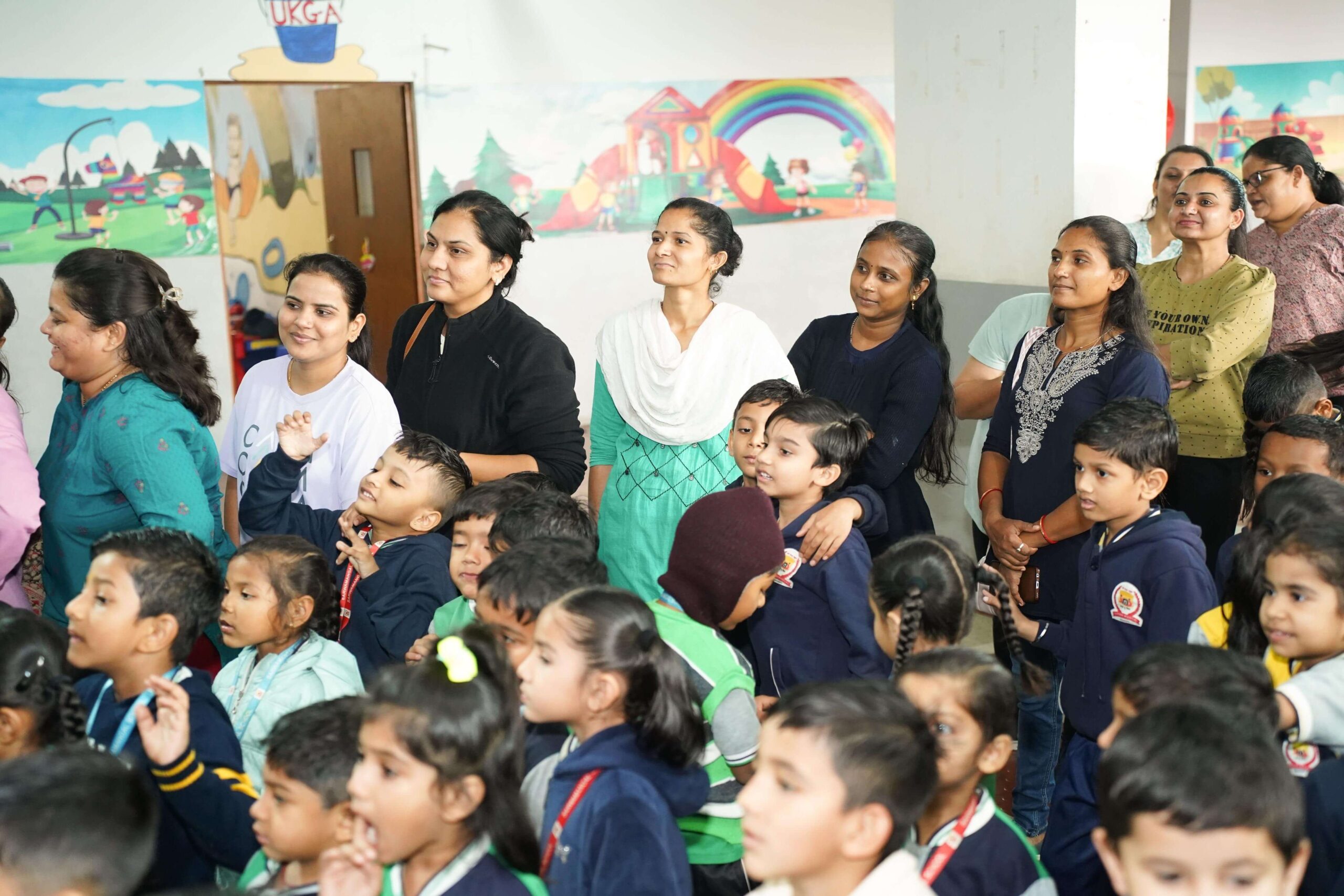
Sarwamangal School focuses on creating a child-friendly environment where learning is fun, engaging, and stress-free. The school understands that every child is different and ensures that learning is adapted according to individual needs.
With a strong emphasis on foundational skills, discipline, and interactive learning, the school helps children transition smoothly into formal education. The approach is designed to build confidence, curiosity, and a positive attitude toward learning from the very beginning.
Final Thoughts
Every child is unique, and there is no fixed age or rule for school readiness. However, understanding these signs can help parents make informed decisions and ensure a smooth transition into school life.
School is not just a place for academics; it is where children learn how to think, communicate, and grow as individuals. With the right preparation and the right environment, children can enjoy learning and build a strong foundation for the future.
FAQs
What is the right age for a child to start school?
Most children start preschool between 2.5 to 4 years depending on their emotional and social development.
How can parents prepare children for school?
Parents can prepare children by building routines, encouraging independence, and engaging in reading and play activities.
What are the most important signs of school readiness?
Communication, curiosity, independence, social interaction, and emotional expression are key signs.
How do schools support new learners?
Schools use activity-based learning, emotional support, and structured routines to help children adjust smoothly.