



Education in India is changing rapidly. Earlier, most classrooms followed the same teaching method for every student. Every child studied the same way, learned at the same speed, and was expected to perform similarly. But today, educators and parents are beginning to understand an important truth: every child learns differently.
Some students understand concepts quickly through visuals, while others learn better through practical activities or discussions. Some children need extra guidance, while others need more challenging tasks to stay engaged. This shift in understanding has made personalised learning one of the most talked-about approaches in modern education.
Parents today are not only looking for good marks and board results. They want schools that help children develop confidence, creativity, communication skills, and independent thinking. This is one reason why schools across India are adopting more student-focused learning methods.
What Is Personalised Learning?
Personalised learning is an educational approach where teaching methods, pace, and learning experiences are adjusted according to the needs of each student.
Instead of treating every child exactly the same, personalised learning recognises that each student has:
- Different strengths
- Different interests
- Different learning speeds
- Different ways of understanding concepts
In a personalised learning environment, teachers focus on helping students learn in a way that works best for them. This does not mean every child studies separately. It means the learning process becomes more flexible, engaging, and meaningful.
For example, one student may understand science concepts better through experiments, while another may prefer visual explanations or storytelling. A personalised approach allows teachers to adapt accordingly.
Why Personalised Learning Is Becoming Important in India
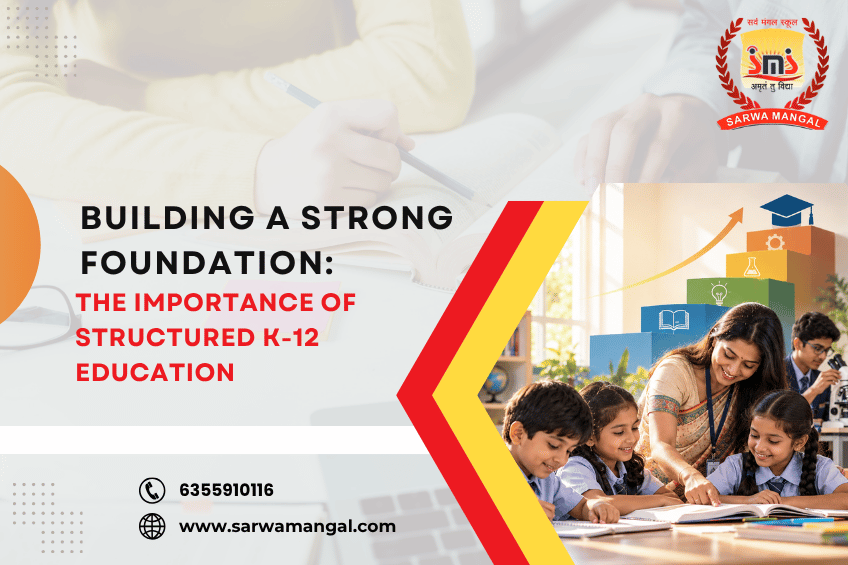
Indian classrooms are becoming more dynamic than ever before. Students today are exposed to technology, global information, and changing career opportunities from an early age. Traditional one-way teaching methods are no longer enough for many learners.
Parents also expect schools to focus on overall development rather than only textbook learning. Skills such as creativity, communication, collaboration, and critical thinking are becoming equally important.
This is why schools across India are gradually moving towards student-centred education models that encourage participation, curiosity, and active learning.
Key Benefits of Personalised Learning for Students
1. Better Understanding of Concepts
Every student has a unique learning style. When teachers explain topics using different methods such as activities, visuals, discussions, and practical examples, students understand concepts more clearly.
Instead of memorising information, students begin to truly understand what they are learning. This improves long-term retention and academic performance.
2. Increased Confidence in Students
One of the biggest advantages of personalised learning is that students feel more comfortable asking questions and expressing themselves.
When children learn at their own pace without constant comparison, they develop confidence in their abilities. Even shy students gradually become more involved in classroom discussions and activities.
A confident student is more likely to participate, explore new ideas, and enjoy learning.
3. Reduces Academic Pressure
Many students feel stressed when they are unable to match the speed of others in a traditional classroom setup. Personalised learning helps reduce this pressure by allowing students to learn step by step.
Teachers can identify areas where a student needs extra support and provide guidance accordingly. This creates a healthier and more positive learning environment.
4. Encourages Independent Thinking
Modern education is no longer just about remembering answers. Schools now focus on helping students think independently and solve problems creatively.
Personalised learning encourages children to ask questions, explore ideas, and participate actively in the learning process. This develops analytical thinking and decision-making skills from an early age.
5. Improves Student Engagement
Students learn better when lessons feel interesting and relevant to them. Personalised learning keeps children engaged by using teaching methods that match their interests and abilities.
Interactive activities, group discussions, storytelling, projects, and practical learning experiences make classrooms more enjoyable and effective.
When students enjoy learning, they naturally become more attentive and motivated.
Role of Teachers in Personalised Learning
Teachers play the most important role in making personalised learning successful. They observe students carefully, understand their strengths and weaknesses, and adapt teaching methods accordingly.
Modern educators are moving beyond traditional lectures and creating classrooms that encourage:
- Collaboration
- Creativity
- Curiosity
- Communication
Good teachers guide students individually while still maintaining classroom discipline and structure.
Technology and Personalised Learning
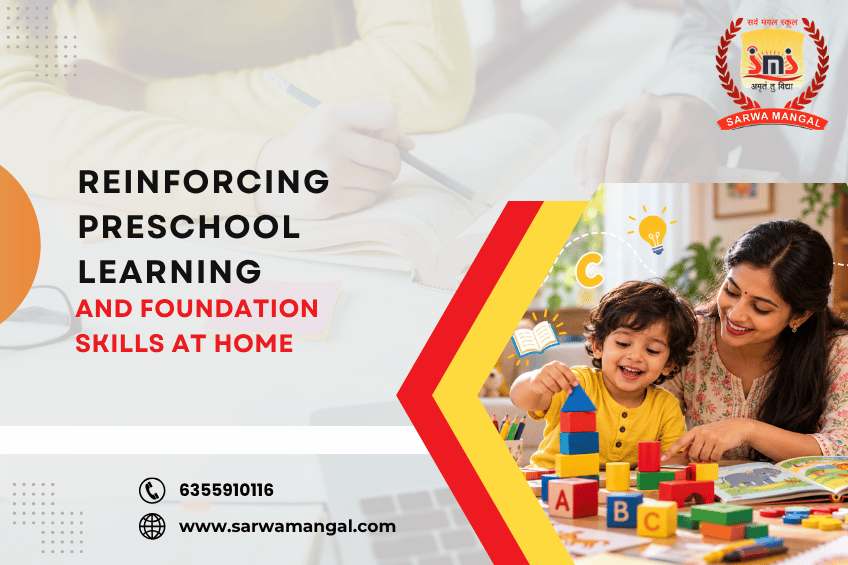
Technology has also made personalised learning more accessible. Smart classrooms, educational apps, videos, and digital tools allow students to learn concepts in multiple ways.
However, technology should support learning rather than replace teachers. Human interaction, emotional support, and classroom experiences continue to play a crucial role in child development.
The best schools use technology wisely while maintaining strong teacher-student connections.
Importance of Choosing the Right School
A child spends a significant part of their life in school. This is why choosing the right educational environment is extremely important for parents.
Schools that focus on personalised learning usually pay attention to:
- Individual student growth
- Practical understanding
- Communication skills
- Emotional development
- Creative thinking
Parents today often look for schools that combine strong academics with modern learning methods and overall personality development.
For families exploring options like the best international school in Vadodara, it is important to evaluate whether the school truly supports student-centred learning rather than only focusing on marks and exams.
How Sarwamangal School Supports Student Development
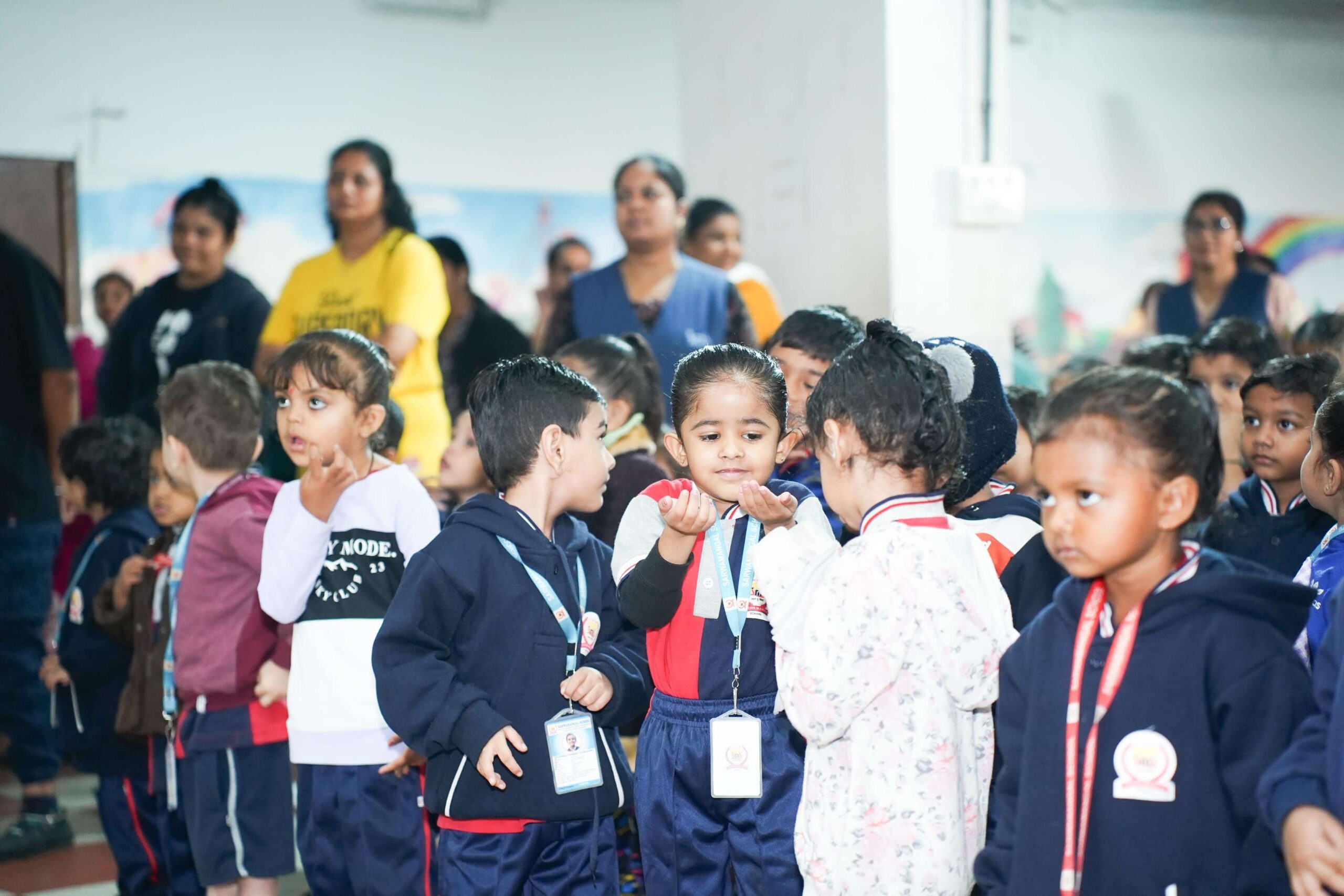
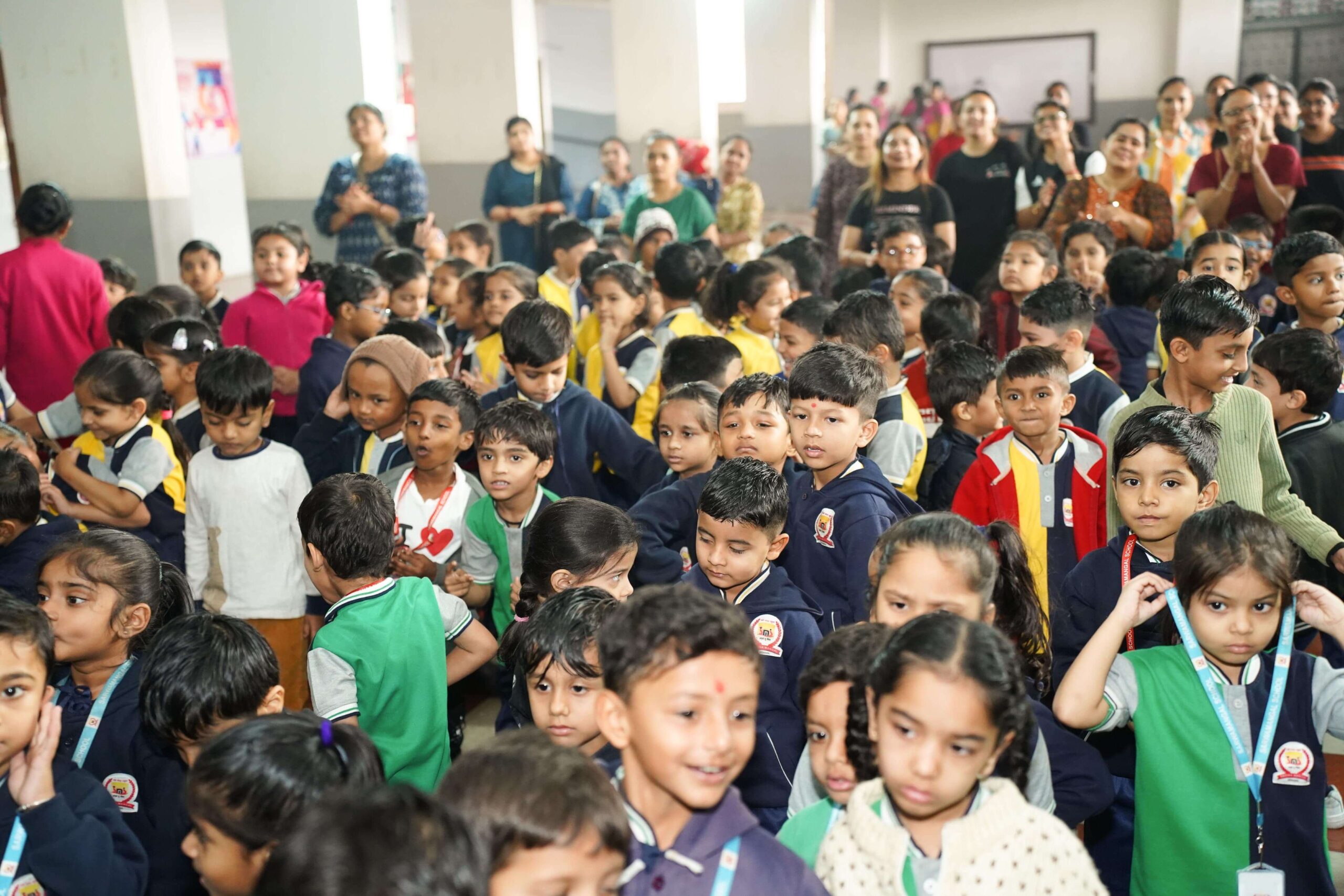
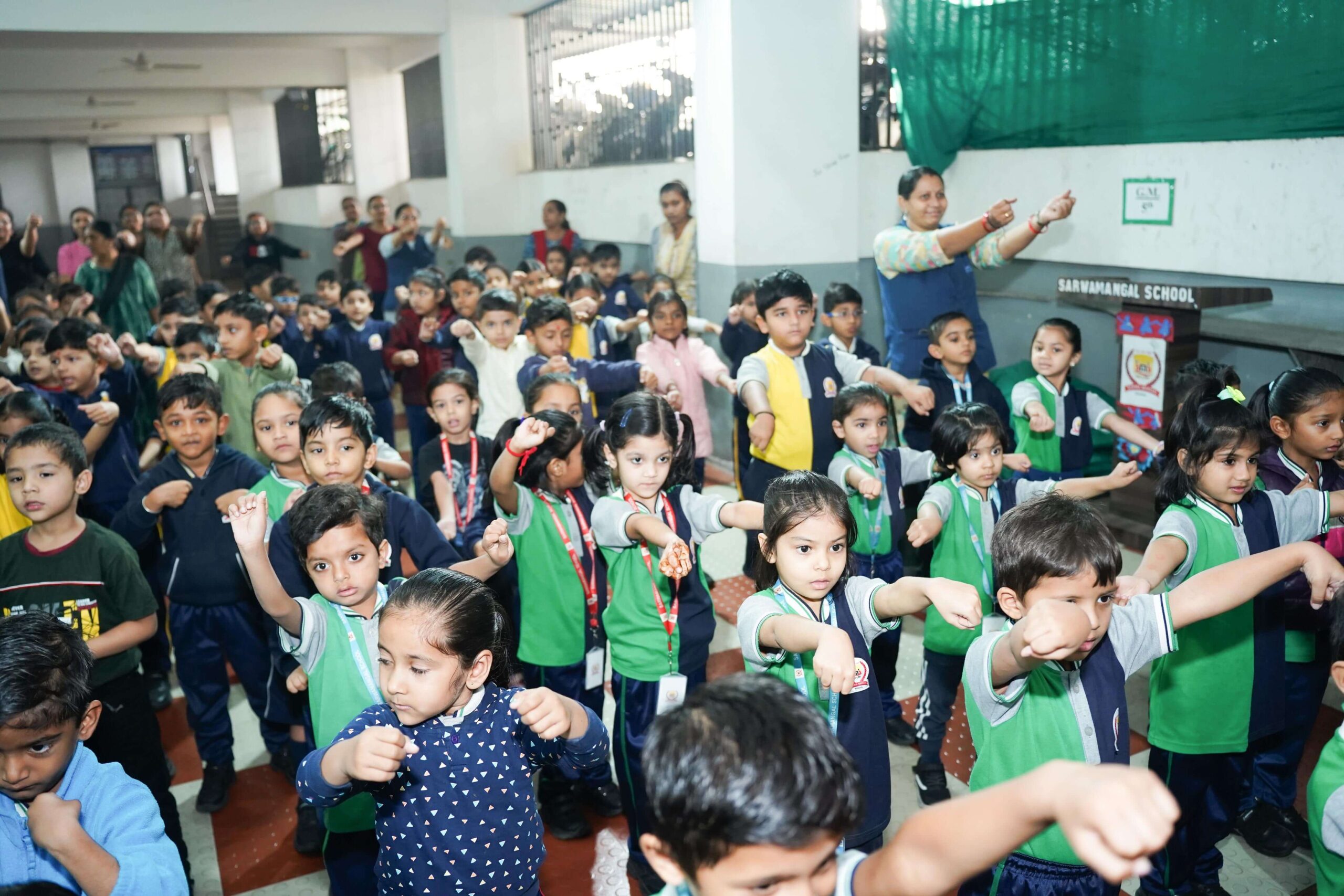
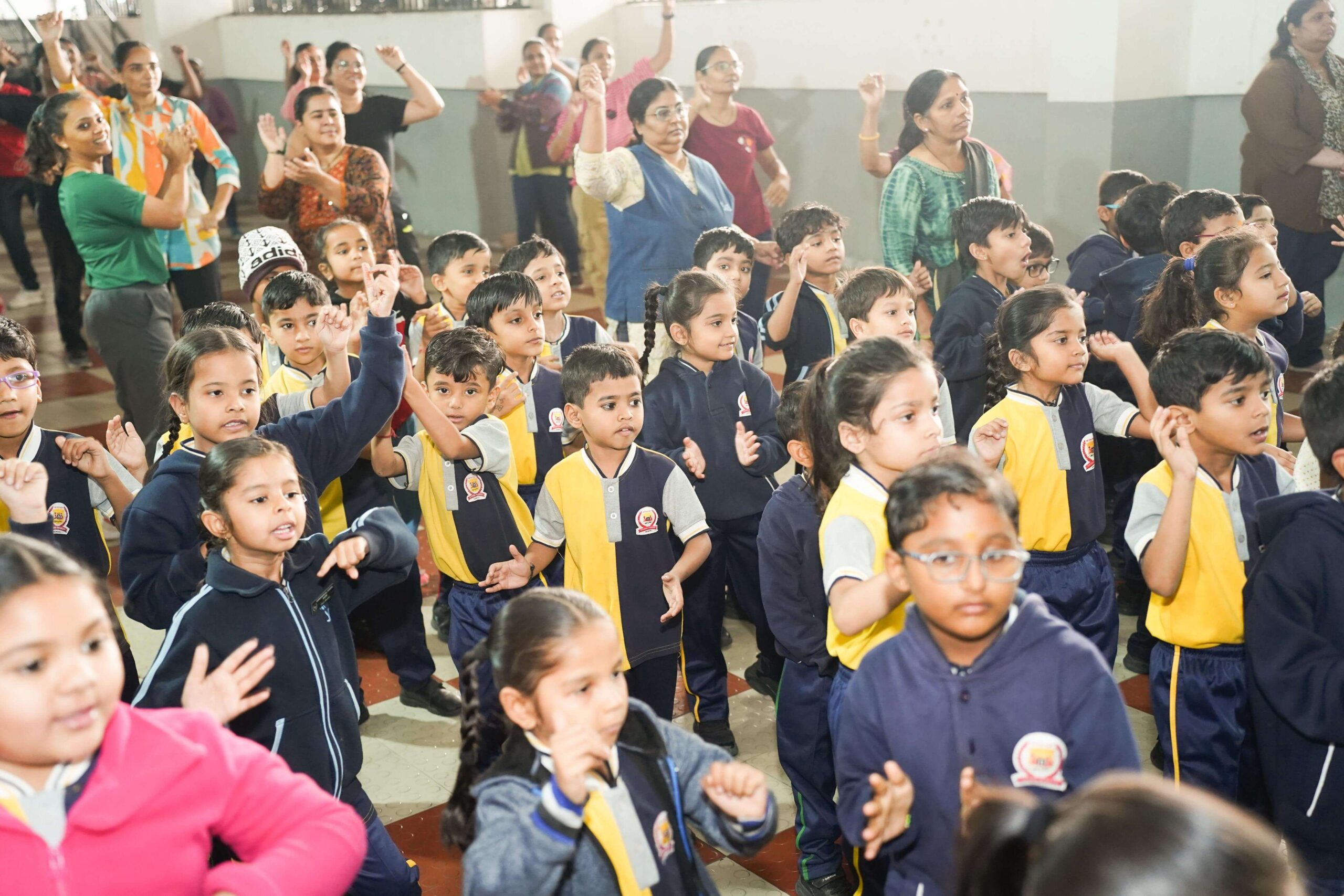
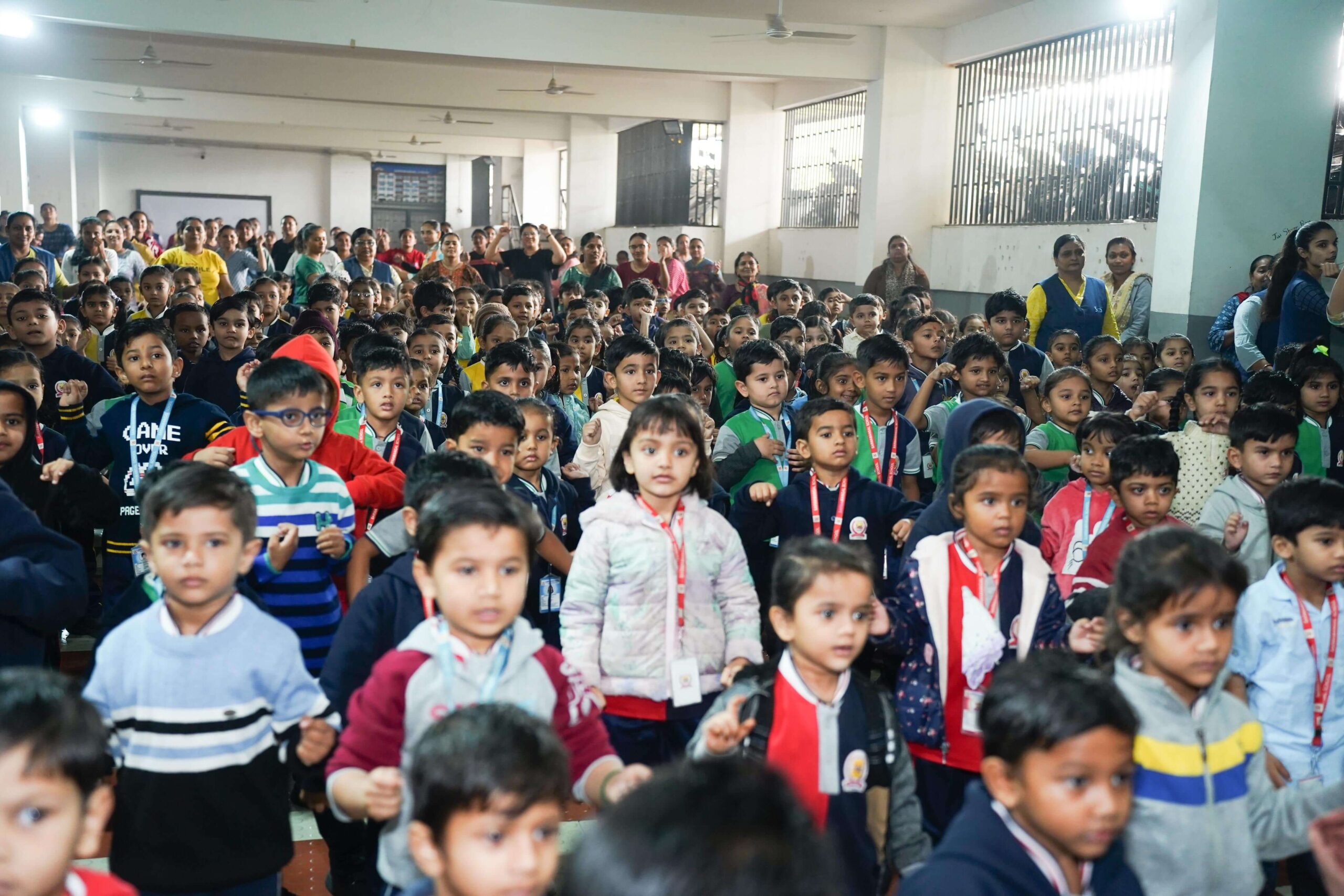
At Sarwamangal School, education goes beyond completing the syllabus. The school focuses on creating a structured and engaging learning environment where students receive proper guidance and individual attention.
With its well-planned academic approach, disciplined environment, and focus on concept clarity, the school encourages students to grow academically as well as personally.
The emphasis on regular practice, interactive learning, and student participation helps children build confidence and develop strong foundations for future success.
Future of Education in India
The future of education is moving towards flexibility, creativity, and student engagement. Schools that adapt to modern learning needs will continue to make a stronger impact on students and parents.
Personalised learning is not about making education easier. It is about making learning more meaningful, effective, and relevant for every child.
As the education system evolves, schools that encourage curiosity, confidence, and independent thinking will help students prepare better for future opportunities and challenges.
FAQs
What is personalised learning in education?
Personalised learning is a teaching approach where learning methods and pace are adjusted according to the individual needs and strengths of students.
Why is personalised learning important for students?
It helps students understand concepts better, improves confidence, reduces stress, and encourages active participation in learning.
How do schools implement personalised learning?
Schools use interactive teaching methods, practical activities, technology, discussions, and individual attention to support different learning styles.
Does personalised learning improve academic performance?
Yes, students often perform better academically because they understand concepts more clearly and stay more engaged in the classroom.