


Education today is no longer limited to textbooks, homework, and one-way classroom lectures. Modern learning environments focus on communication, teamwork, creativity, and problem-solving skills that prepare students for the real world. One teaching method that is becoming increasingly popular in Indian schools is collaborative learning.
Collaborative learning encourages students to work together, exchange ideas, solve problems as a team, and learn from one another. It creates a classroom environment where students actively participate instead of simply listening and memorising information.
This approach not only improves academic understanding but also helps children become more confident, creative, and socially aware. Schools across India are gradually adopting interactive learning methods because they understand that creativity grows faster when students learn together.
Here are the top collaborative learning tips that can help boost creativity and engagement among students.
1. Encourage Group Discussions
One of the simplest ways to promote collaborative learning is through group discussions. When students discuss topics together, they hear different perspectives and develop better communication skills.
Discussions also encourage students to think independently instead of depending only on teachers for answers. Even shy students slowly become more confident when they participate in small group conversations.
Classroom discussions work especially well for subjects like social science, language learning, science concepts, and current affairs.
2. Use Activity-Based Learning
Children learn better when they actively participate in the learning process. Activity based learning keeps students engaged and improves concept understanding.
Teachers can use:
- Role play
- Storytelling
- Classroom games
- Experiments
- Creative presentations
These methods make lessons more interactive and enjoyable. Students also remember concepts for a longer time because they are learning through experience.
3. Create Small Team Projects
Team projects teach students how to work together toward a common goal. While completing projects, students learn:
- Leadership
- Responsibility
- Time management
- Problem-solving
Projects also encourage creativity because students often come up with unique ideas when brainstorming together.
Schools can assign creative tasks such as model making, poster design, research presentations, or science activities to make learning more engaging.
4. Promote Peer Learning
Sometimes students understand concepts better when another student explains them. Peer learning creates a comfortable environment where students can ask questions freely without hesitation.
Pairing strong students with those who need extra help benefits both groups. One student improves confidence while the other gains clarity and support.
Peer learning also strengthens teamwork and social bonding inside the classroom.
5. Encourage Open-Ended Questions
Traditional education often focuses on right or wrong answers. Collaborative learning works better when teachers ask open-ended questions that encourage students to think creatively.
For example:
- What would happen if gravity disappeared for one day?
- How can we reduce pollution in our city?
- Can there be multiple solutions to the same problem?
Questions like these encourage imagination, discussion, and innovative thinking among students.
6. Build a Positive Classroom Environment
Students express themselves more freely when they feel safe and respected in the classroom. A positive learning environment encourages participation, creativity, and teamwork.
Teachers should create classrooms where:
- Students are not afraid to make mistakes
- Ideas are respected
- Questions are encouraged
- Healthy discussions are welcomed
Confidence grows naturally when children feel heard and appreciated.
7. Integrate Technology Smartly
Technology can make collaborative learning more engaging when used properly. Smart classrooms, educational videos, online quizzes, and interactive activities help students learn concepts visually and practically.
However, technology should support creativity rather than replace human interaction. The best classrooms maintain a healthy balance between digital learning and real-life collaboration.
Interactive digital tools can make group learning sessions more interesting and improve student participation.
8. Include Real-World Learning Experiences
Students become more creative when they connect classroom lessons to real-life situations. Teachers can encourage collaborative learning through:
- Community projects
- Educational visits
- Problem-solving activities
- Environmental awareness campaigns
Real world experiences help students understand the practical importance of what they learn in school.
This approach also improves critical thinking and decision-making skills.
9. Give Students Leadership Opportunities
Leadership activities encourage responsibility and teamwork. Giving students small classroom responsibilities helps improve confidence and communication skills.
Teachers can assign roles such as:
- Group leader
- Presentation coordinator
- Activity organiser
- Discussion moderator
These opportunities help students become more independent and improve their ability to collaborate with others.
10. Encourage Creative Expression
Creativity grows when students are allowed to express themselves freely. Schools should encourage activities such as:
- Art
- Music
- Debate
- Theatre
- Story writing
- Public speaking
Collaborative creative activities allow students to share ideas and develop innovative thinking skills together.
Children often discover hidden talents when they participate in group-based creative experiences.
Why Collaborative Learning Is Important in Modern Education
The future workplace will require strong communication, teamwork, adaptability, and creative thinking skills. Collaborative learning helps students develop these abilities from an early age.
Instead of focusing only on memorization, modern schools now aim to prepare students for real-world situations. Interactive and student-focused learning methods help children become:
- Better communicators
- Independent thinkers
- Problem solvers
- Confident learners
This is one reason why many parents today prefer schools that focus on holistic education and practical learning approaches.
For families exploring options like the best GSEB school in Vadodara, it is important to look for schools that encourage student interaction, creativity, and concept-based learning instead of only traditional teaching methods.
How Sarwamangal School Encourages Student Growth
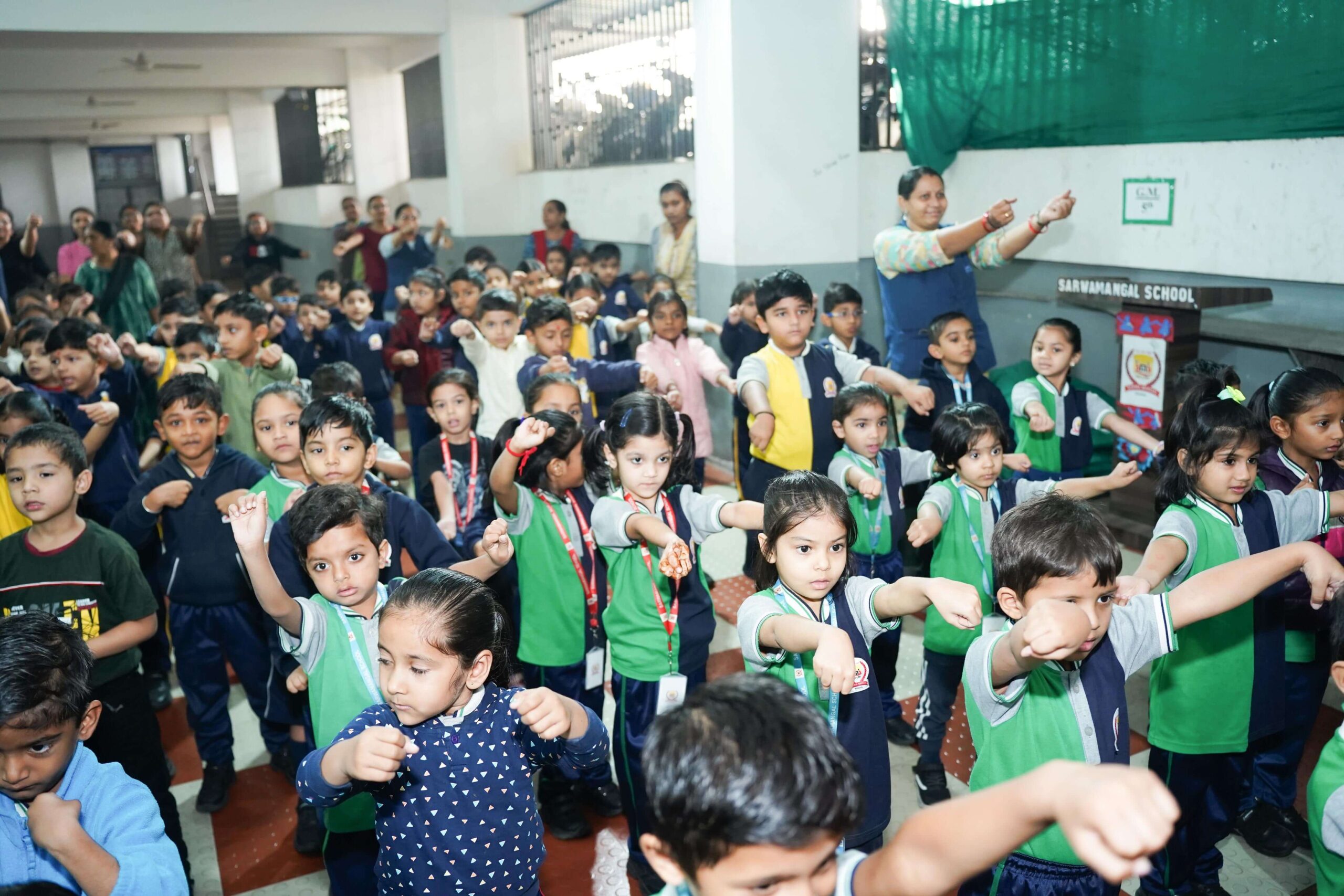
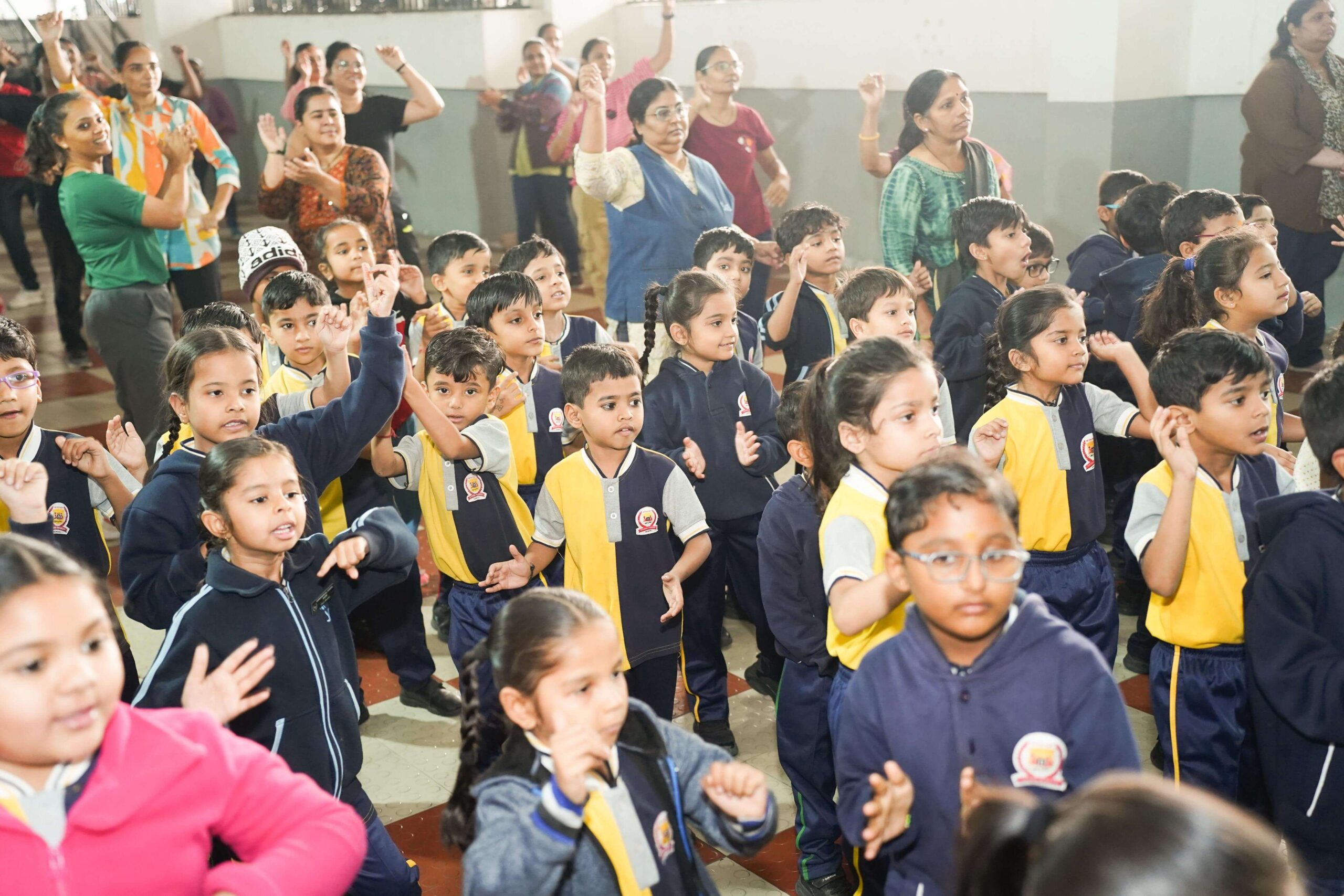
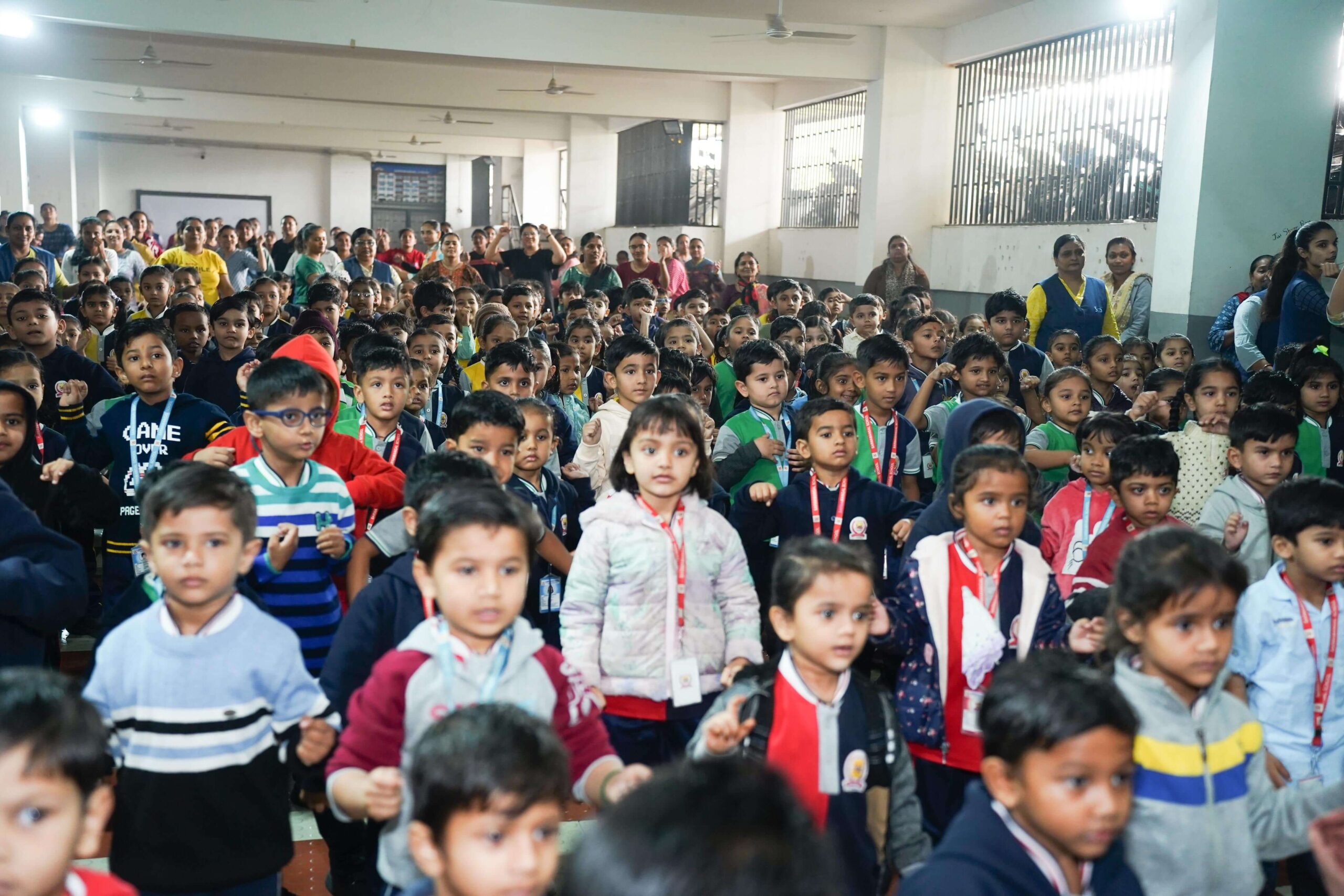
At Sarwamangal School, learning goes beyond textbooks and examinations. The school focuses on creating a structured yet engaging environment where students actively participate in academics, discussions, and collaborative activities.
The emphasis on discipline, concept clarity, interactive learning, and individual attention helps students build confidence and creativity. Through academic planning and student-focused teaching methods, the school encourages overall development along with strong educational foundations.
Final Thoughts
Collaborative learning is not just a teaching trend. It is an important step towards creating classrooms that prepare students for the future.
When students learn together, they become more creative, confident, and curious. They learn how to communicate, solve problems, respect different opinions, and think independently.
Schools that encourage collaboration and active participation help children grow not only academically but also emotionally and socially. As education continues to evolve in India, creative and student-centered learning methods will play a major role in shaping future generations.
FAQs
What is collaborative learning in education?
Collaborative learning is a teaching method where students work together in groups to learn concepts, solve problems, and complete activities.
How does collaborative learning improve creativity?
It encourages students to share ideas, think independently, discuss solutions, and participate actively in learning activities.
Why is teamwork important for students?
Teamwork helps students develop communication, leadership, problem-solving, and social interaction skills.
How can schools encourage collaborative learning?
Schools can use group projects, discussions, activity-based learning, peer teaching, and creative classroom activities.