


Every parent hits this moment: should I enrol my child now, or wait a little longer? Age alone doesn’t answer that question.
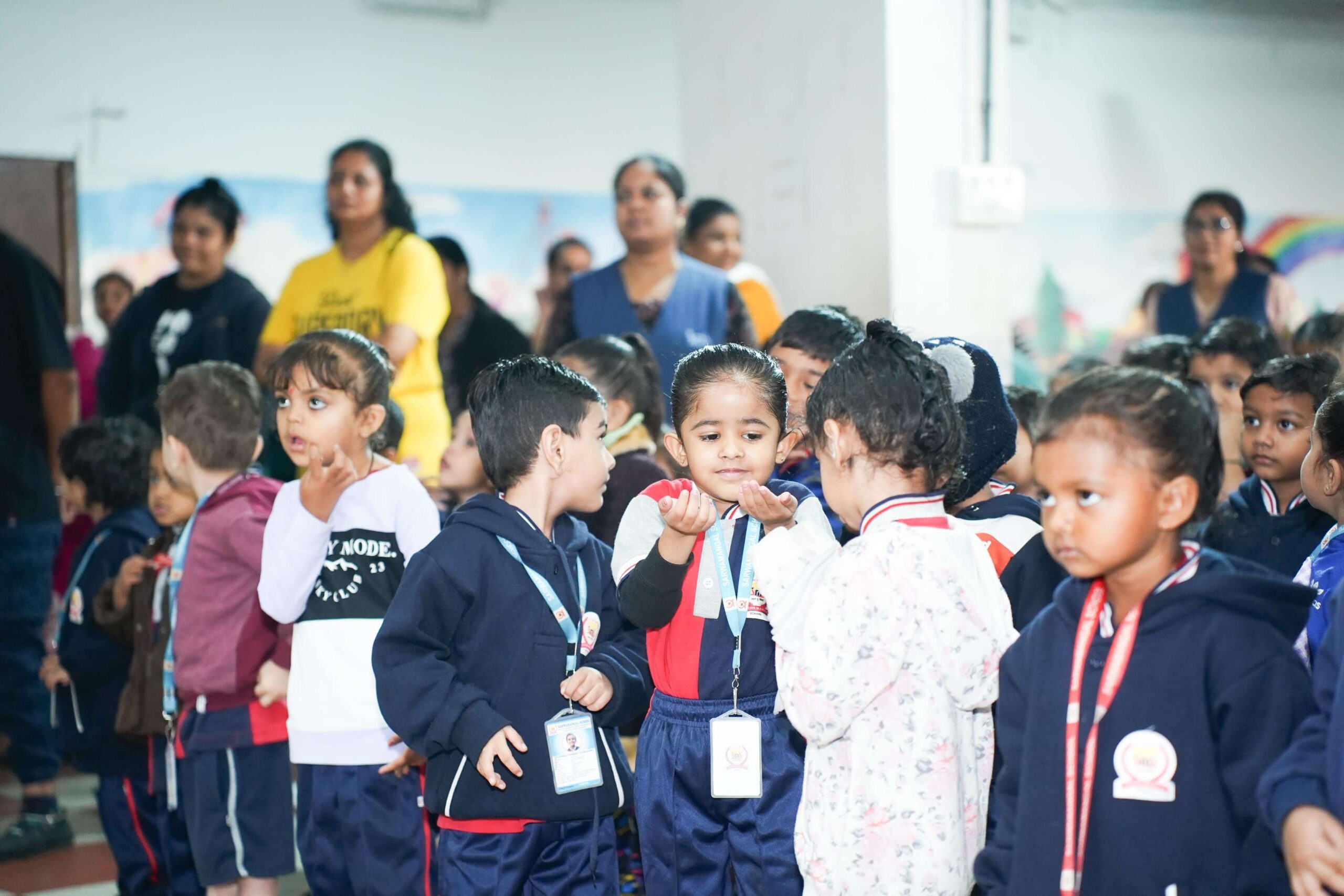
Readiness is about how your child handles new people, new routines, and time away from you. Some kids are ready at two and a half. Others need a few more months, and that’s completely fine.
This guide discusses how to know if your child is ready for preschool, and choosing the best play school in Vadodara feels like a confident decision, not a guessing game.
Why Preschool Readiness Matters
Preschool is more than learning ABCs. This is where your little one experiences the wider world beyond his house: new faces, new rules, and new routines.
A child who’s genuinely ready usually:
- Settles in faster
- Joins activities willingly
- Makes friends sooner
- Builds independence
- Actually enjoys school
None of this means your child needs to read or write beforehand. Preschool is where those foundational skills begin, not where they’re expected to already exist.
Is There a “Right” Age?
Most children start preschool somewhere between 2.5 and 4 years old in Vadodara. But two kids the same age can be at completely different stages.
One three-year-old might walk into class and start playing within minutes. Another might take weeks to warm up. Neither is wrong; they’re just different.
Instead of matching your child to a calendar, watch their actual behaviour.
Signs Your Child Might Be Ready
1. Short Separations Don’t Break Them
If your child can spend an hour or two with grandparents, an aunt, or a trusted neighbour without falling apart, that’s a strong sign.
They don’t need to be totally unbothered. A little fuss is normal—teachers are trained for exactly this.
2. They’re Naturally Curious
Kids who constantly ask questions are usually preschool-ready. Things like:
- “What’s that?”
- “Why does it do that?”
- “How does this work?”
This curiosity is exactly what preschool classrooms are built around stories, art, music, and hands-on play.
3. Basic Communication Is There
Full sentences aren’t required. But your child should be able to say or show things like:
- “I’m hungry”
- “I need water”
- “I want the toilet”
- “Help me”
This alone reduces a lot of frustration for both child and teacher.
4. They Follow Simple Instructions
Can your child manage things like:
- “Put the toy away”
- “Wash your hands”
- “Sit down”
- “Bring your bottle”
If one or two-step instructions land at home, classroom instructions will too.
5. Some Interest in Other Kids
Watch them at a park or family function. Do they glance at other children, try joining in, or at least tolerate being near them?
Perfect sharing comes later—usually during preschool, not before. Curiosity is enough of a starting point.
6. Basic Self-Care Is Developing
Nobody expects mastery, but progress in these areas helps a lot:
- Eating with some help
- Drinking from a cup
- Washing hands
- Carrying a small bag
- Removing shoes
7. They Can Sit Through Short Activities
Preschool activities usually run 10–20 minutes. If your child can sit through a story, colour for a bit, or watch a demonstration without wandering off constantly, that’s classroom-ready attention.
Emotional Readiness Counts for More Than People Think
Parents often obsess over academic prep, but emotional steadiness matters far more.
Emotionally ready children usually:
- Bounce back after being upset
- Accept gentle correction
- Try to express feelings
- Adjust to small changes
A child who feels secure at home settles into school faster almost every time.
Practical Ways to Get Your Child Ready
You don’t need a formal programme. Small daily habits do most of the work.
Build a loose routine. Consistent wake-up, meal, play, and sleep times make school schedules feel familiar rather than foreign.
Let them play alone sometimes. Fifteen to twenty minutes with blocks, crayons, or a pretend kitchen set builds independence.
Read together daily. Even five minutes with a picture book helps vocabulary, listening, and attention span.
Visit a park regularly. Vadodara has no shortage of green spaces where kids naturally pick up sharing, turn-taking, and simple conversation.
Give them tiny responsibilities. Putting toys away or carrying their own water bottle builds the same habits preschool routines run on.
Common Mistakes Parents Make
Comparing kids. Every child develops on their own timeline; comparison just adds pressure.
Pushing academics too soon. Worksheet and alphabet exercises are not required. Learning through play leads to better outcomes.
Negative talk about school. Don’t say things like, “The teacher will yell at you.” School should be presented as an exciting place.
Ignoring separation anxiety. Acknowledge the nervousness rather than brushing past it. A little reassurance goes further than logic.
Rushing because of peer pressure. Other parents enrolling early doesn’t mean your child is behind.
What to Look for While Choosing a Preschool
Once you feel your child is ready, the next step is picking the right environment. In terms of looking for the best play school in Vadodara, make sure it has:
- Safe and hygienic classrooms
- Caring and experienced teachers
- Curriculum that is age-appropriate
- Methodology that is play-based
- Good teacher-to-student ratio
- A secure campus
- Parental communication
- Inclusive indoor and outdoor playing area
The best way to know everything about a school is to take a short tour. Just observe the interaction of the teachers with the kids.
Fees for play schools in Vadodara usually vary between ₹25,000 to ₹80,000 per year.
Quick Readiness Checklist
Before you decide, ask yourself:
- Communicates basic needs?
- Manages short separations?
- Shows interest in other kids?
- Follows simple instructions?
- Curious about new things?
- Handles basic self-care?
- Growing more independent?
Mostly “yes”? Your child is likely ready to begin.
Final Thoughts
No checklist can make you 100% sure that your child is ready; each one finds their own way. Just observe the indicators, trust your judgement, and do not get carried away by the deadlines.
Sarwamangal provides a nice playground for your child if you happen to choose a preschool right now. Take a tour of the school and check whether it suits your kid or not.
FAQs
1. When does my child become ready to join the best play school in Vadodara?
Not only age, but also see whether your kid is curious, communicative, independent, and has separation anxiety.
2. Can my 2.5-year-old go to preschool?
Not necessarily, but there are children who can go to preschool at that age.
3. Should my child learn about alphabets and numbers first?
No. The good preschools help them learn that through play activities and not before sending them to school.
4. How can I reduce my child’s separation anxiety before school begins?
Do short separation practice, maintain a positive attitude toward school, and stick to the routine at home.
5. What do I have to check before choosing the proper play school in Vadodara?
Safety standards, teachers’ experience, way of teaching, hygiene, and interaction with children.